

.avif)


.avif)

.avif)


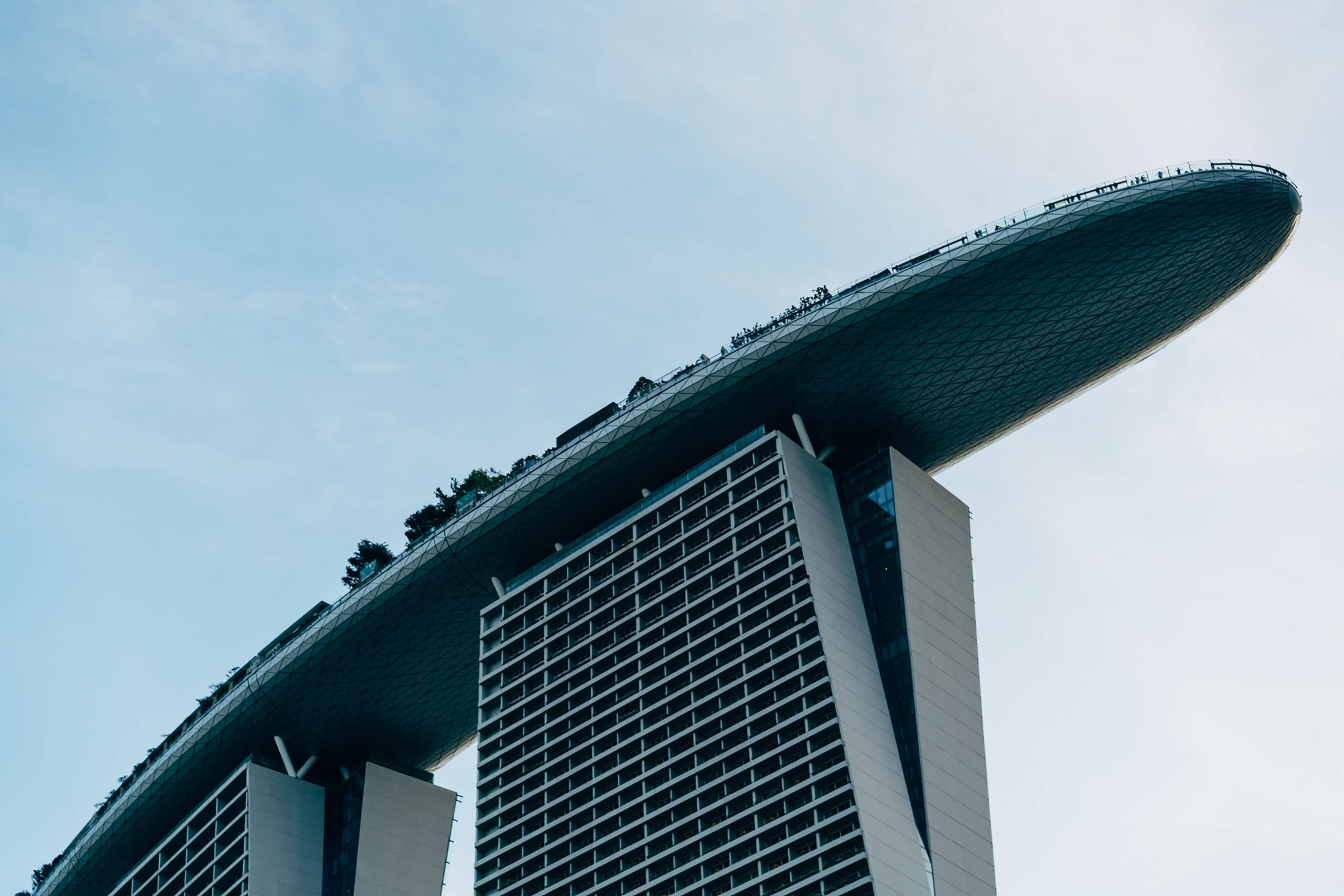

What it takes to incorporate a Singapore private limited company: the six requirements, 17% corporate tax and the startup exemption, GST, and when Singapore fits.
Singapore is one of the cleanest places in the world to run a company: a flat corporate tax rate, a generous exemption for young companies, a fully digital registry, and a legal system global investors trust. For a founder building in Asia, or a group that wants a credible regional holding company, it is often the natural choice. The setup itself is fast, but a Singapore company comes with real obligations from day one, and knowing them before you incorporate saves you from scrambling later.
This guide covers the vehicle, the requirements, the tax and the timeline, and where Singapore fits against the alternatives.
The vehicle: a private limited company
Almost every international founder in Singapore uses a private limited company, known as a Pte Ltd. It is a separate legal entity with limited liability, it can be 100% foreign-owned, and it is the structure banks, investors and partners expect to see. Shares can be held by individuals or by other companies, which makes it flexible for holding structures and for bringing in investors later.
The six requirements to incorporate
A Singapore private limited company must satisfy six core requirements, and all of them matter from the start.
You need at least one resident director, a natural person over 18 who is ordinarily resident in Singapore, meaning a citizen, permanent resident, or holder of an Employment Pass, EntrePass or Dependant Pass. You need at least one shareholder, who can be foreign and can be the same person as the director. You must appoint a qualified company secretary within six months of incorporation, and leaving that post vacant carries fines and, if ignored, worse. You need a local registered office address, which must be a physical address in Singapore, not a PO box. You need a minimum paid-up capital of just S$1, which can be increased later. And you need a constitution setting out how the company is run.
The requirement that catches foreign founders is the resident director. If none of your team is ordinarily resident in Singapore, you either relocate someone on the right pass or appoint a nominee resident director through a licensed provider while you build local presence.
Corporate tax: 17%, and much less for new companies
Singapore charges a flat 17% corporate tax on chargeable income, the same rate for local and foreign companies, with no brackets or surcharges. What makes it attractive to founders is the Start-Up Tax Exemption. For a qualifying new company, 75% of the first S$100,000 of chargeable income is exempt and a further 50% of the next S$100,000 is exempt, for the first three years of assessment. That brings the effective rate on early profits down to low single digits. Singapore also does not tax most capital gains, and it has an extensive network of double-tax treaties, which is a large part of why it works so well as a holding jurisdiction.
GST: the 9% question
Singapore's GST is 9% in 2026. You must register for GST if your taxable turnover exceeded S$1 million at the end of a calendar year, or if you reasonably expect it to exceed S$1 million in the next 12 months. Below that you can register voluntarily, though from April 2026 new voluntary registrants come into the InvoiceNow e-invoicing regime, so factor the compliance in. For many young companies, staying below the threshold until it makes commercial sense to register is the sensible path.
The timeline and cost
Incorporation runs through ACRA, the registry, on its BizFile+ portal, and it is genuinely fast: once your directors, shareholder, secretary and address are lined up and the paperwork is in order, registration can complete in as little as a day. Government fees are modest, in the region of a few hundred Singapore dollars. The real cost is the ongoing compliance: the company secretary, annual filings, accounting, the corporate tax return and, if you register, GST. Budget for the operating reality, not just the sticker cost of registration.
Singapore or the alternatives
Singapore is not the only credible option in the region. It competes most directly with Hong Kong, and the right answer depends on your markets, your investors and your tax position. If your business is oriented towards Mainland China, Hong Kong's proximity and treaty access can win. If you want a broad Asian base with a strong startup-tax regime and global investor familiarity, Singapore often edges it. We compare them directly in Hong Kong vs Singapore: where should you incorporate, and the wider decision is covered in how to choose a holding company jurisdiction.
Where Cosmos fits
Cosmos helps you decide whether Singapore is the right base, structure the company correctly, and then run the accounting, tax and ongoing compliance, coordinating the incorporation and company-secretary work through licensed Singapore partners. The aim is a Singapore company that is set up properly and stays compliant, not just registered.
Frequently asked questions
Can a foreigner own 100% of a Singapore company? Yes. A private limited company can be wholly foreign-owned. You still need at least one resident director.
What is the resident director requirement? At least one director must be ordinarily resident in Singapore, a citizen, permanent resident, or holder of an Employment Pass, EntrePass or Dependant Pass. Foreign founders often use a nominee director initially.
How much tax will a new company actually pay? The headline rate is 17%, but the Start-Up Tax Exemption cuts the effective rate on the first S$200,000 of chargeable income sharply for the first three years.
When do I have to register for GST? When taxable turnover exceeded S$1 million at the end of a calendar year, or you reasonably expect it to exceed S$1 million in the next 12 months. Below that, registration is voluntary.
How long does incorporation take? Often a single day through ACRA's BizFile+ portal once directors, a shareholder, a secretary and a registered address are in place.
This is general information, not legal or tax advice. Singapore's rates, thresholds and requirements change; confirm the current position with a qualified adviser before incorporating.

